Collaborating with influencers has become a cornerstone of modern marketing — especially in burgeoning markets such as hemp and health-adjacent products. When your brand shares sensitive sourcing details like where hemp is grown, extraction methods, and testing transparency, it’s important to communicate clearly and compliantly without sounding “sketchy” or raising red flags.
In this post, we'll walk you through best practices for responsibly sharing sourcing information with influencers, emphasizing compliance with the FTC (Federal Trade Commission) guidelines. We’ll also highlight how tools like Meta and Google can assist in monitoring campaigns, and touch on affiliate and influencer platforms like Tomoson and brands like Joy Organics leading the way with transparency.
Why Brand Responsibility Matters in Influencer Partnerships
When influencers promote your products, your company is ultimately responsible for the claims they make on your behalf. This is especially true in regulated categories like hemp-derived CBD and health supplements, where unsubstantiated or misleading claims can trigger FTC enforcement actions.
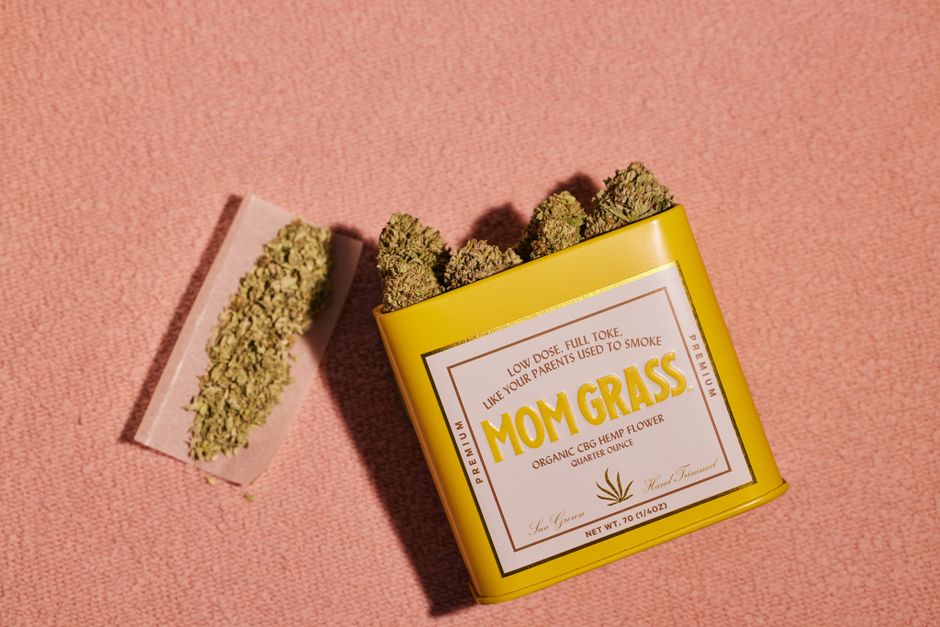
The FTC’s guidelines on endorsements highlight that both brands and creators must be creator partnership contract truthful and substantiated in their communication. This means you need a clear, consistent, and compliant message for influencers to share — particularly when disclosing details about:
- Where hemp is grown The extraction methods used Testing transparency and third-party lab results
Without this clarity, influencer content risks being vague, misleading, or flagged by platform algorithms, which can harm trust and sales.
Training Influencers: The Cornerstone of Compliance
Brands like Joy Organics have set a powerful example by investing heavily in FTC training and educational resources for their creators and affiliates. Such training should emphasize:
What claims are approved vs. prohibited How to discuss hemp cultivation and extraction without making unverified health claims Proper disclosure statements and hashtags to maintain transparencyTraining can be delivered via detailed written guidelines, webinars, or in-app resources on platforms like Tomoson that manage influencer marketplaces. The key is to remove ambiguity so that influencers feel confident and empowered to promote your brand without hesitation or guesswork.
Approved vs. Prohibited Language Lists
It’s critical to provide influencers with clear documentation listing:
- Approved language — such as “Our hemp is organically grown on farms in Colorado,” “Extracted using state-of-the-art CO2 methods,” or “Third-party tested for purity and safety.” Prohibited language — including any direct or implied disease treatment claims, promises of cures, or unverifiable assertions like “miracle cure” or “FDA approved.”
This clarity reduces the risk of promotional posts being flagged by compliance monitors or platform policies enforced on Meta and Google ad networks.
How to Communicate Where Hemp Is Grown Without Overpromising
Consumers increasingly want transparency around sourcing, and “where hemp is grown” is a powerful trust signal. However, overstatement can sound disingenuous or invite regulatory scrutiny.
Best practices include:
- Providing factual statements such as “Our hemp is grown in organic farms located in the Pacific Northwest.” Avoiding vague claims like “the best hemp in the world” unless you have independent certifications or awards to back it up. Reframing messages around sustainable and ethical farming practices if applicable.
Use official sourcing data and certificates to support your messaging. In trainings, stress to your influencers the importance of sharing traceable facts rather than opinions or subjective descriptors.
Explaining Extraction Methods Clearly and Compliantly
Extraction is a highly technical aspect that consumers are curious about, but complexity can cause miscommunication. Terms like “CO2 extraction” or “ethanol extraction” are safe to use if properly qualified.
Keep your influencer messaging straightforward and factual:
- “Our CBD is extracted using supercritical CO2 methods, ensuring purity and potency without harmful solvents.” “We use clean ethanol extraction to maintain natural cannabinoid profiles.” Avoid unproven claims like “this method creates the most effective product,” unless backed by objective research.
Platforms like Tomoson enable brands to upload these guidelines so creators have on-demand access to approved messaging.
How to Discuss Testing Transparency Without Raising Red Flags
Testing transparency is one of the top concerns for hemp and health-product consumers. Sharing third-party lab test results builds trust and credibility — but these communications must be precise.
Consider these guidelines:
- Share factual details like “Each batch is tested by an independent ISO-certified lab.” Provide public access or links to COAs (Certificates of Analysis) so influencers can reference them. Avoid vague statements such as “Our products are always safe” without evidence. Never make health claims about test results (e.g., “Guaranteed to cure anxiety”) — it’s false advertising.
Leveraging Platforms & Tools for Monitoring and Compliance
Once your influencer program is live, continuous monitoring is essential. Here’s how brands can harness technology for compliance:
Platform/Tool Purpose Benefits Meta Business Suite Manage influencer content on Facebook and Instagram Content review, ad policy monitoring, built-in compliance alerts Google Ads & Brand Safety Tools Monitor influencer campaigns running on search and display networks Flag policy-violating content, monitor click-throughs, measure ROI Tomoson Affiliate & Influencer marketplace management Centralized content approval, messaging controls, guideline enforcementBrands can configure alerts for language infractions or non-compliant posts, enabling rapid remediation before issues escalate.
Health Products Claim Limits: Protecting Your Brand and Creators
The FTC's health products guidelines stipulate:
- No claims that a hemp product can diagnose, mitigate, treat, cure, or prevent any disease unless approved by the FDA Substantiating all health-related claims with competent and reliable scientific evidence Transparent disclosures about product limitations and intended use
Educate your influencers that even popular phrases like “helps with stress” can be risky if unsubstantiated. Instead, encourage terms such as “supports relaxation” or “part of a wellness routine” paired with disclosures.
Wrapping Up: Building Trust Without Skepticism
Sharing sourcing details openly and compliantly with influencers is an opportunity, not a risk. Companies like Joy Organics and platform-enabled brands on Tomoson exemplify how transparent, factual communication builds consumer confidence and mitigates legal risk.
By investing in FTC training, providing clear approved vs. prohibited language lists, leveraging Meta and Google monitoring tools, and respecting health product claim limits, your brand can empower influencers to speak confidently about:
- Where hemp is grown Extraction methods Testing transparency
Ask yourself this: in doing so, you’ll foster authentic influencer partnerships that grow your brand’s reputation and sales — without sounding sketchy or risking compliance issues.